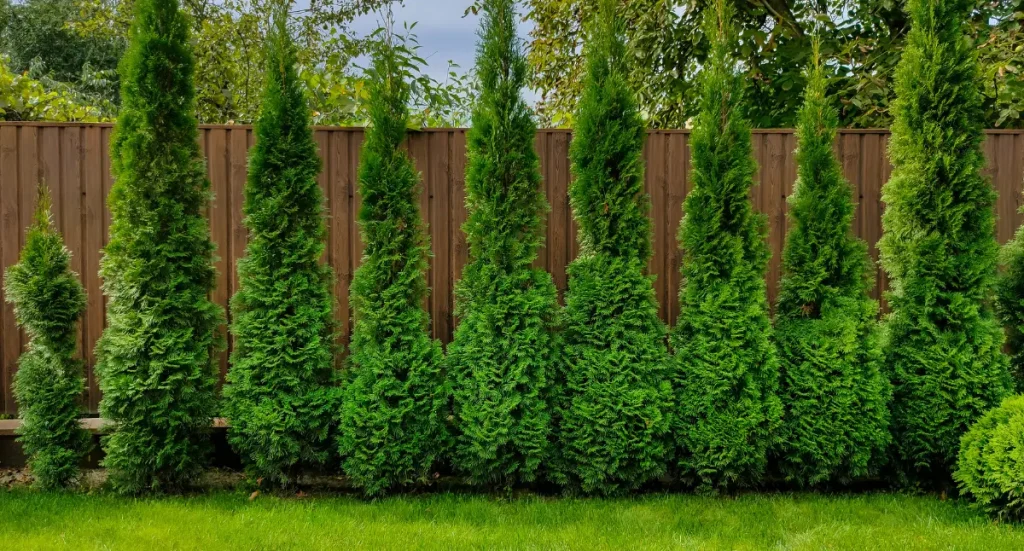
When it comes to creating privacy, defining property lines, or adding year-round beauty to your landscape, few plants ar…
After a spring full of temperature swings, frosty mornings, and rainy weekends, Michigan gardeners are more than ready to dig in. According to Darrell Youngquest, perennial and nursery buyer at English Gardens, now is officially the time to get planting in Michigan.
“Everybody’s really anxious to get out in the garden,” says Youngquest. “And now you’re free and clear to start planting vegetables, herbs, annuals, trees, shrubs, and perennials.”
Michigan’s unpredictable spring weather keeps many gardeners waiting — but the good news is that the planting window is now open. Once your area has passed the last frost date, you’re safe to plant warm-season vegetables, annual flowers, and tender perennials outdoors.
Youngquest confirms that Michigan gardeners can now plant:
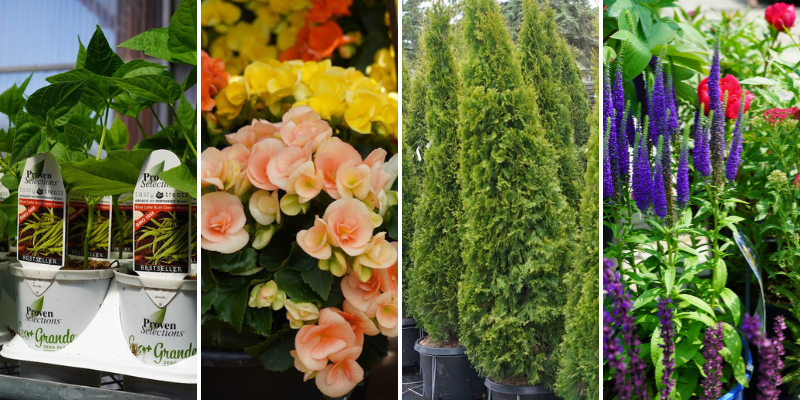
If you’re unsure about your specific zone, Southeast Michigan (including Metro Detroit) falls in USDA Hardiness Zone 6a–6b, with last frost dates typically in late April to mid-May.
While sunny weekends may draw crowds to the garden center, rainy days can actually work in a Michigan gardener’s favor.
“It’s a great time to go shopping because the stores are a little slower,” Youngquest explains. “Then you’re ready to plant when the weather clears.”
Rain also makes ideal conditions for garden prep. Use wet days to:
Many Michigan gardeners start noticing overcrowded perennials this time of year — especially hostas and daylilies. While dividing plants may be tempting, Youngquest recommends patience.
“Fall is really the best time to divide perennials because the plants are going dormant,” he says. “If you divide them now, you can stress the roots and stunt growth.”
However, if plants are just barely emerging from the soil, careful dividing may still be successful. When in doubt, wait until fall for the best results.
At English Gardens, Michigan gardeners are gravitating toward vibrant, high-performing plants that offer big visual impact throughout the season.
Top plant picks this year include:
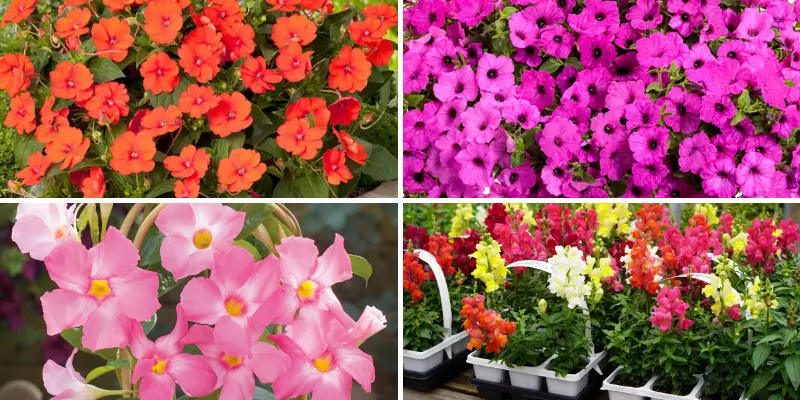
“We’re seeing people choose larger annual packs because the plants establish quicker and fill in faster,” Youngquest says.
One of the most important — and often overlooked — gardening tips for Michigan yards is improving your soil before you plant.
“That soil is going to be the plant’s home,” says Youngquest.
Michigan soils vary widely, but most home gardens benefit from annual amendments. For the best results:
Whether you’re filling raised beds, planting containers, or refreshing your landscape, now is the perfect time to get growing in Michigan. Visit any English Gardens location for expert advice, top-quality plants, and everything you need for a successful gardening season.
As Youngquest joked: “We’re always hiring — but it’s a lot of work!”
For Michigan gardeners, though, it’s the kind of work that feels worth it once everything starts blooming.