For 72 years, we’ve been growing alongside Metro Detroit. Now, we’re excited to share what’s next.
If you’ve visited En…
Fresh herbs are a great way to add flavor to any dish. Growing them indoors when the weather turns cold will keep your meals flavorful all year.
Learn more about growing herbs indoors on our blog.
Here is a quick guide for using herbs in your kitchen that we found on the Urban Cultivator.
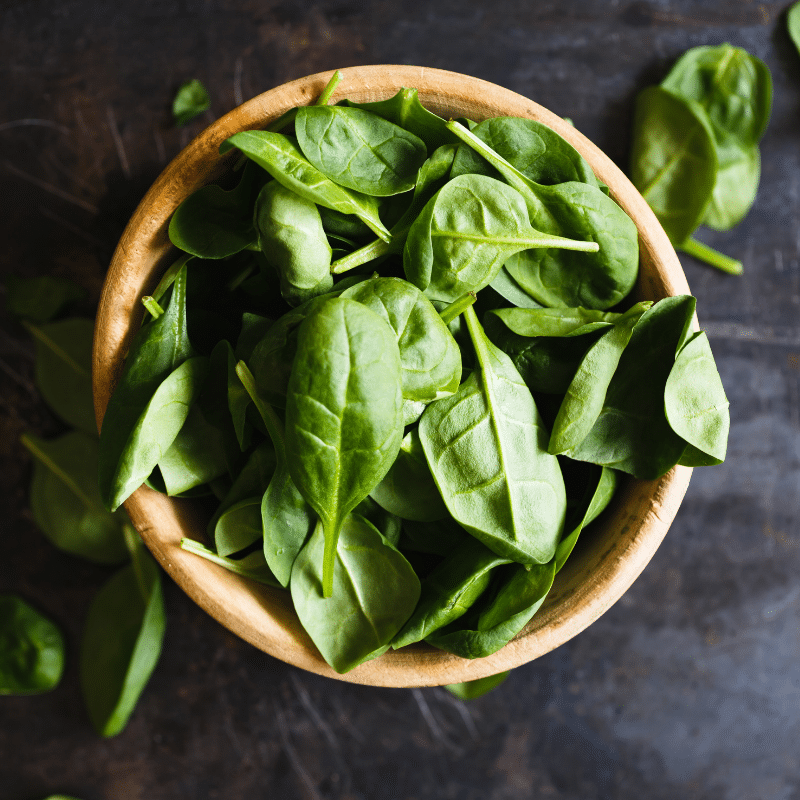
Flavor: Licorice and cloves
Cooking Tip: Add at the end of cooking to maximize flavor
Pair With: Tomatoes, garlic, olive oil, oregano, pasta, onions, chicken, eggs, pizza, green leaf salads, bell peppers, zucchini, apricots, berries, figs, peaches, plums
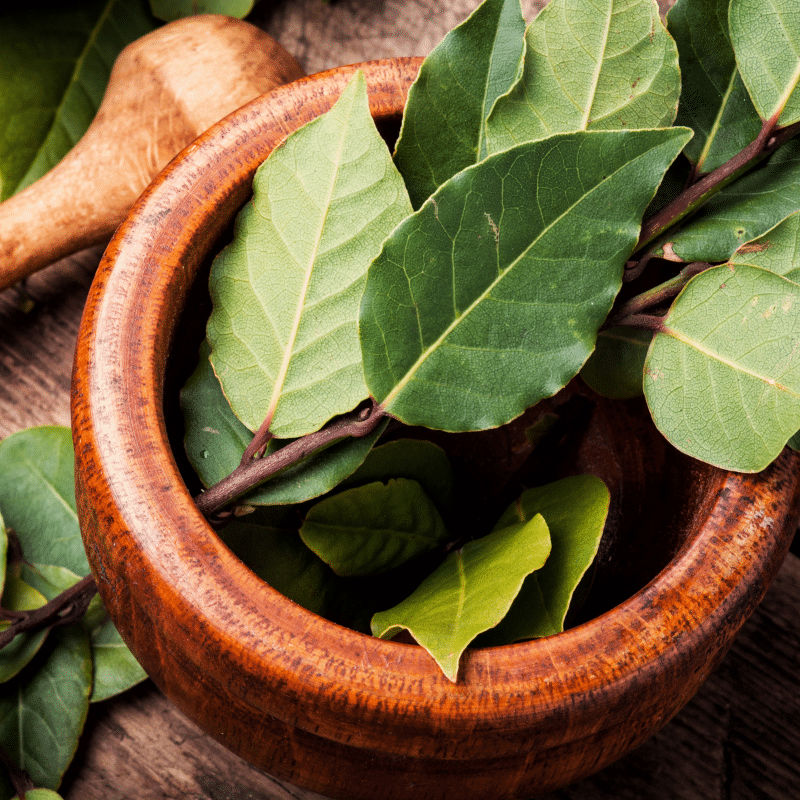
Flavor: Herbal and floral
Cooking Tip: Rarely available fresh, fresh is significantly less pungent than dried. Most prefer Turkish or Mediterranean bay leaf flavor over California. Put in at the beginning, remove before serving.
Pair With: Slow-cooked sauces, soups and stews, stocks, beans, game, chicken, lentils, potatoes, risotto, shellfish, tomatoes
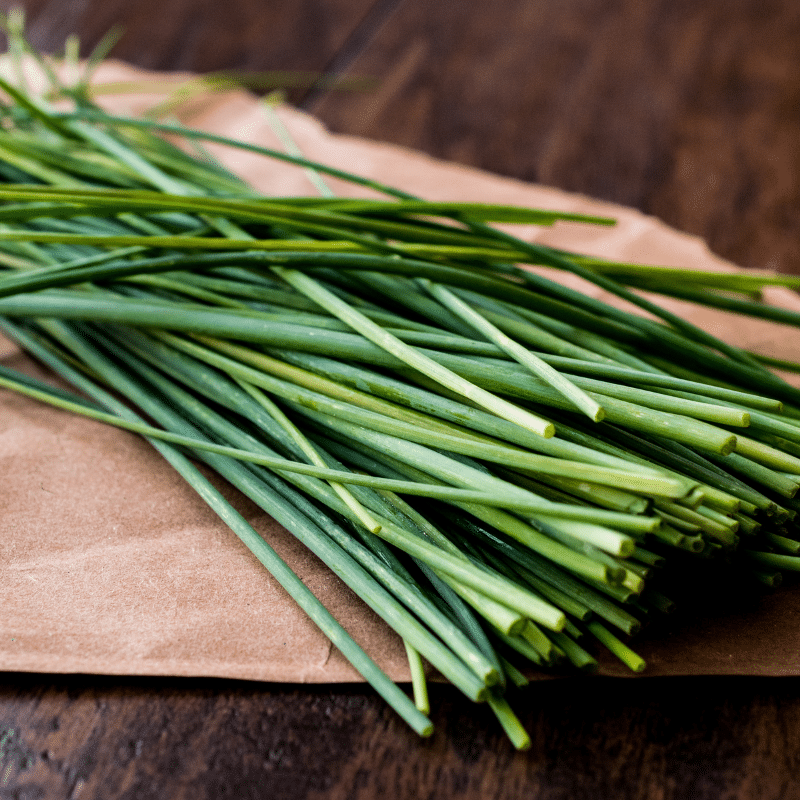
Flavor: Light oniony taste
Cooking Tip: Use raw, or at the end of cooking. Add chive flowers to a salad or use chive stems to tie vegetables together.
Pair With: Eggs, potatoes, sauces, stews and soups, salads, mayonnaise, butter, sour cream, vegetables, stir-frys, breads.
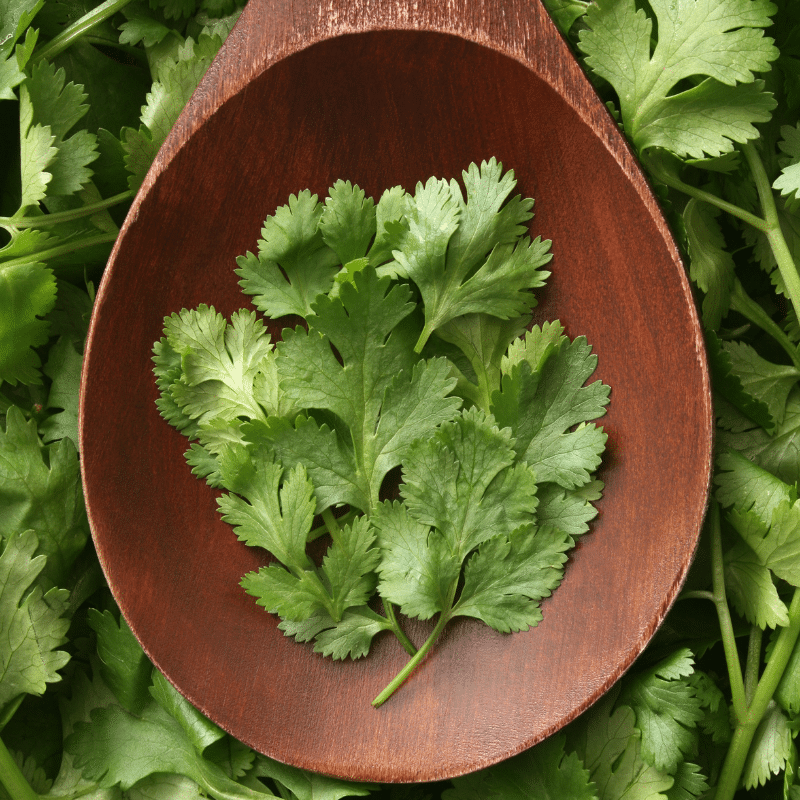
Flavor: Bright and citrusy; some claim it tastes soapy
Cooking Tip: Can be used at the beginning or end of cooking
Pair With: Spicy dishes, salsas, chilies, curries, salads, soups, chicken, fish, vinaigrette, apples, bananas, mangoes, pears, summer melons
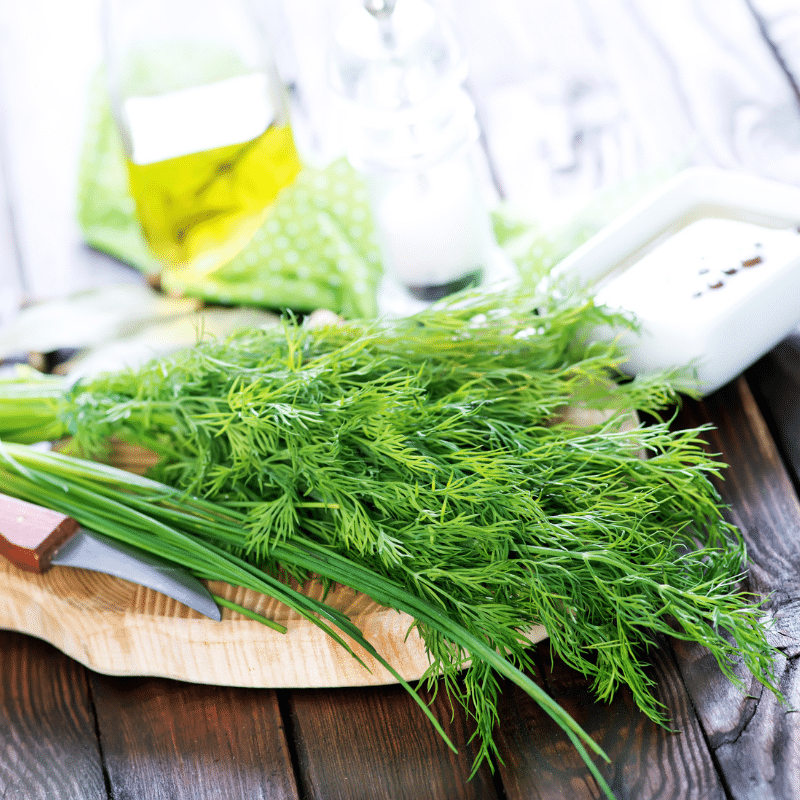
Flavor: Combination of celery, fennel, and parsley
Cooking Tip: Fresh packs greater flavor than dry. Add at beginning or end of cooking
Pair With: Fish, beans, hard-boiled eggs, beets, soups, sour cream, cream cheese, dressings, yogurt, chicken, potato salad, meats
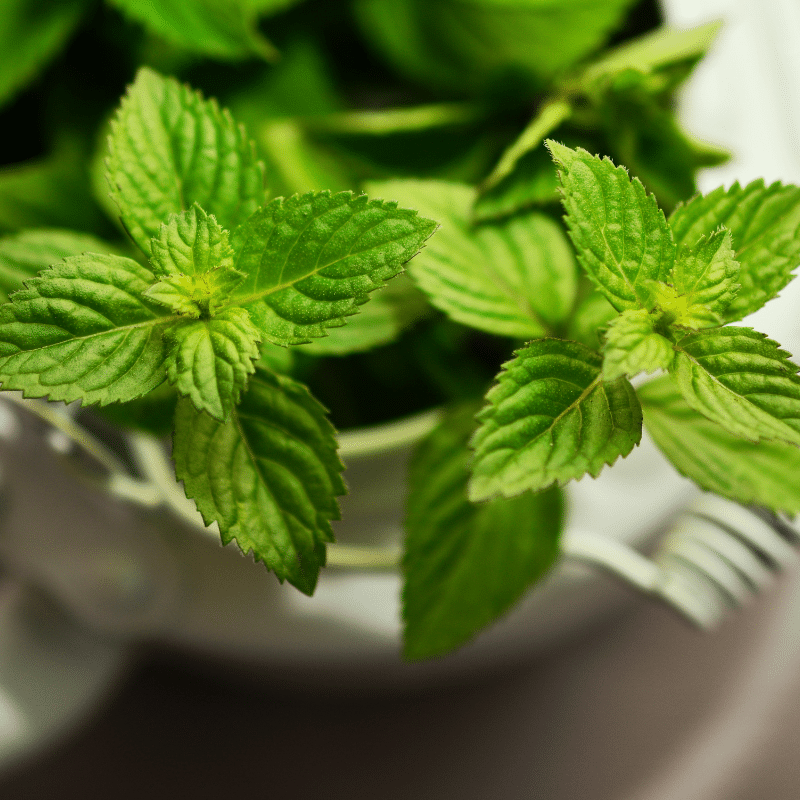
Flavor: Sweet, fresh, slightly astringent
Cooking Tip: Peppermint has a stronger flavor over spearmint. Could be added at the beginning or end of cooking
Pair With: Lamb, chocolate, pork chops, jellies, sauces, cocktails, berries, figs, and dates. oranges and limes, summer melons, cherries, apricots, plums, apples, pears
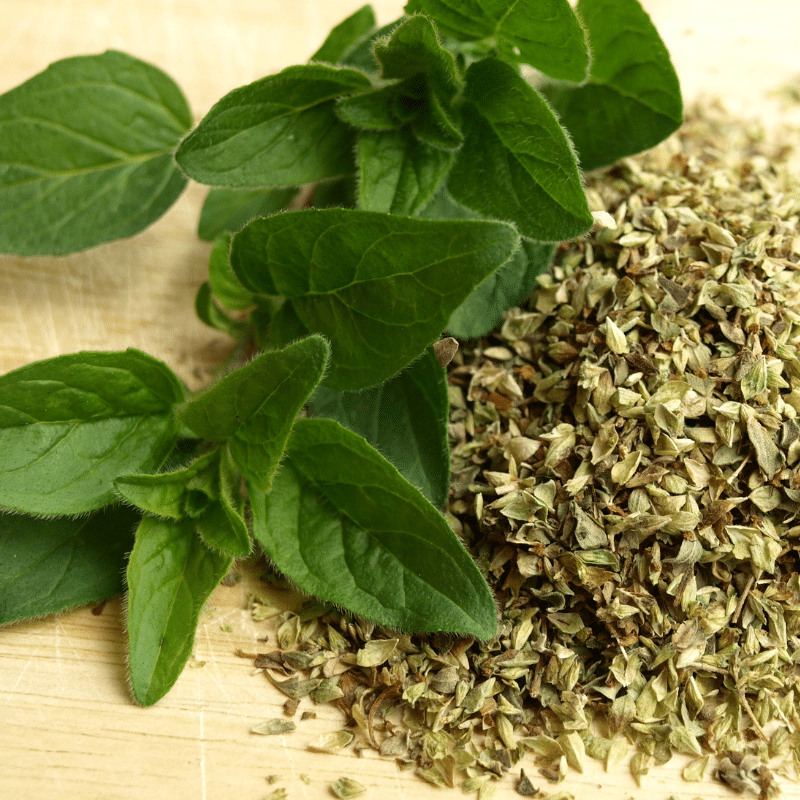
Flavor: Hint of sweetness with some spiciness
Cooking Tip: Strong, robust flavor especially if dried. Mediterranean oregano is milder than Mexican. Add at beginning of cooking; if adding in an herb bag, do not strip leaves from stems
Pair With: Pizza, tomatoes, pastas, eggs, cheeses, eggplant, meats, dressings, oil and butter, pesto
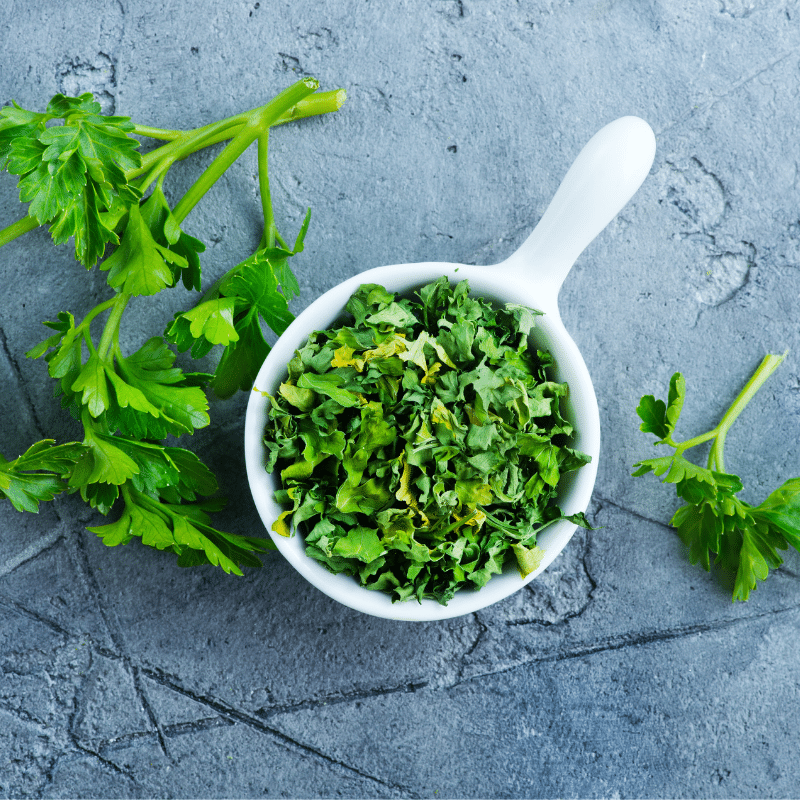
Flavor: Flat parsley has a peppery bite and curly parsley is relatively bland
Cooking Tip: Flat parsley holds up better in longer cooking, curly looks great as a garnish. Stems have the strongest concentration of flavors and can be added diced finely or in a bouquet garni
Pair With: Fish, vegetables, salad, rice, soups, stews, meatballs, pesto, sauces, marinades, bananas, coconuts, grapefruits, mangoes, pineapples, summer melons
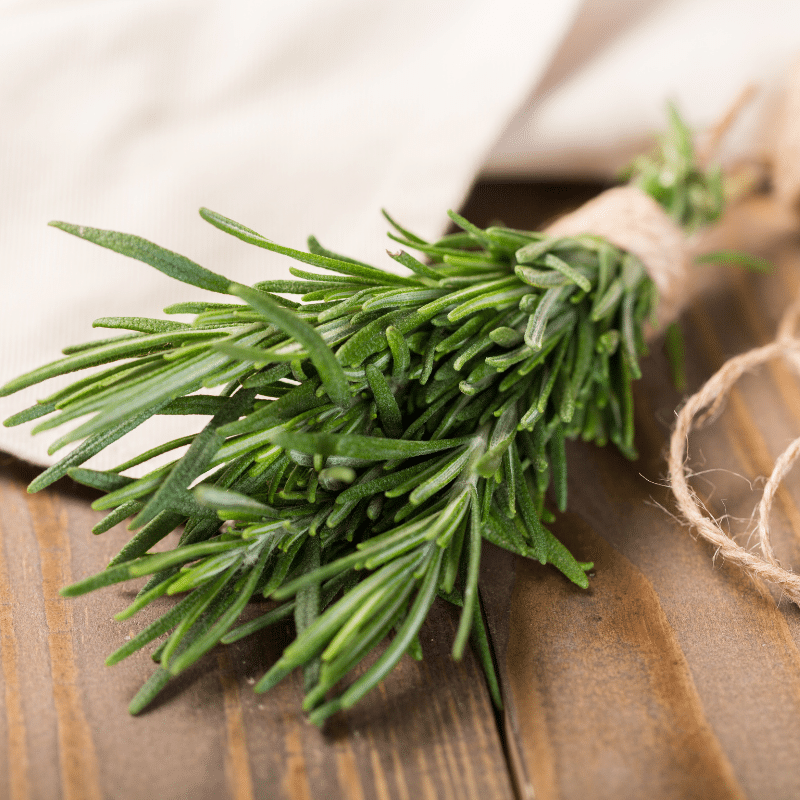
Flavor: Pine-like, astringent
Cooking Tip: Add whole stems at the beginning and remove before serving; great for the grill. Leaves can fall off so might want to use in bouquet garnish. If chopping, then dice very finely as it can be quite tough
Pair With: Lamb, potatoes, marinades and oils, eggs, fish, poultry, pork, tomatoes, onions, ice cream, oranges, apricots
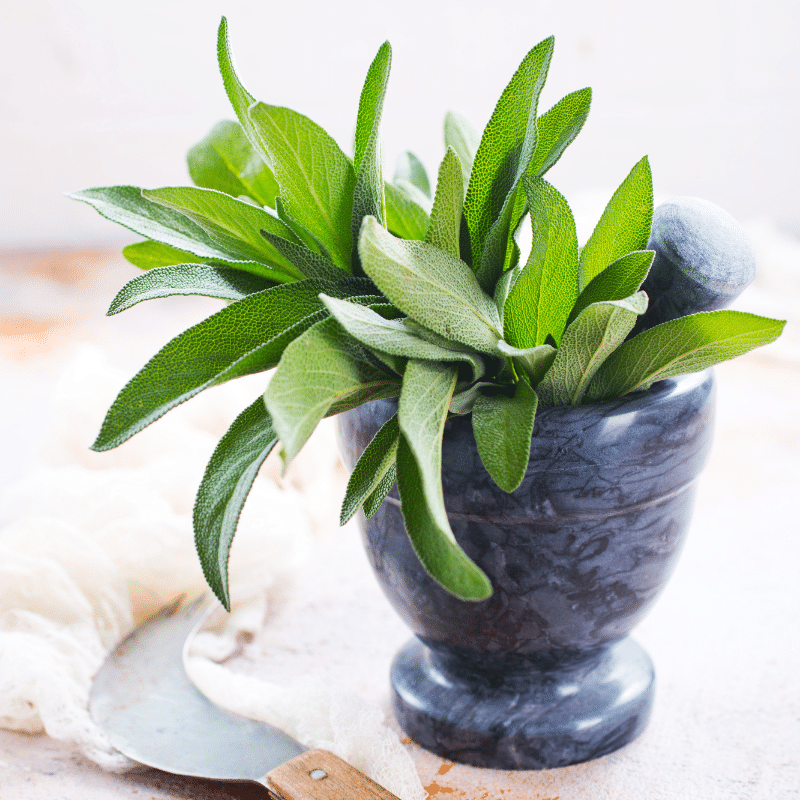
Flavor: Slightly peppery with a touch of mint
Cooking Tip: Robust flavor best with heavy foods. Add at the beginning of cooking
Pair With: Meats, sausage, cheese and cream-based items, sweet and savory breads, stuffing, beans, potatoes, risottos, tomato sauce
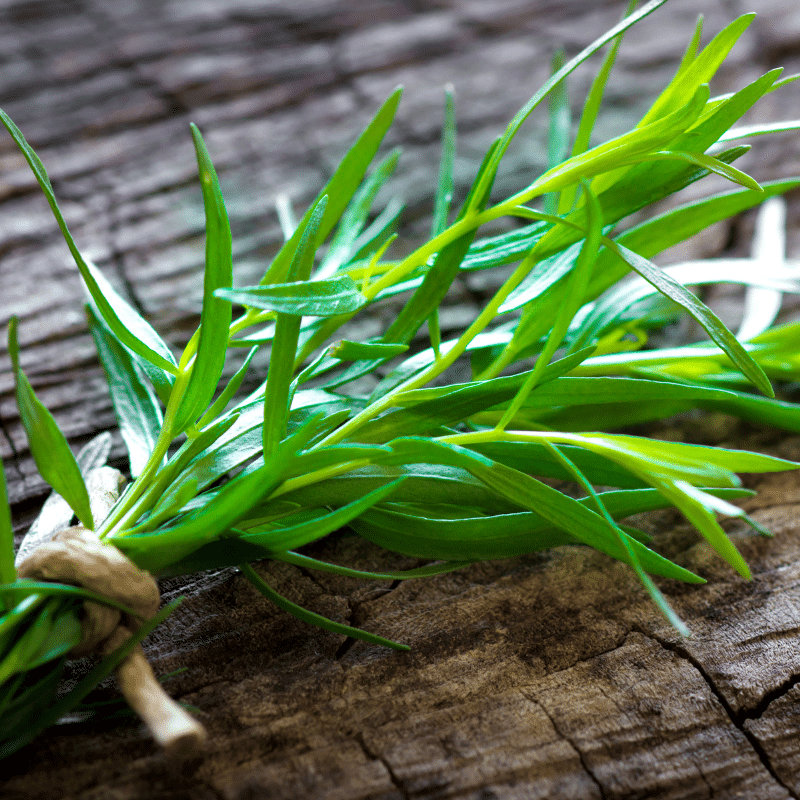
Flavor: Licorice, fennel, sweet
Cooking Tip: Can easily overpower dishes. The heat releases flavor, cook with at the beginning
Pair With: Chicken, shellfish, eggs, Béarnaise sauce, potatoes, vinegar
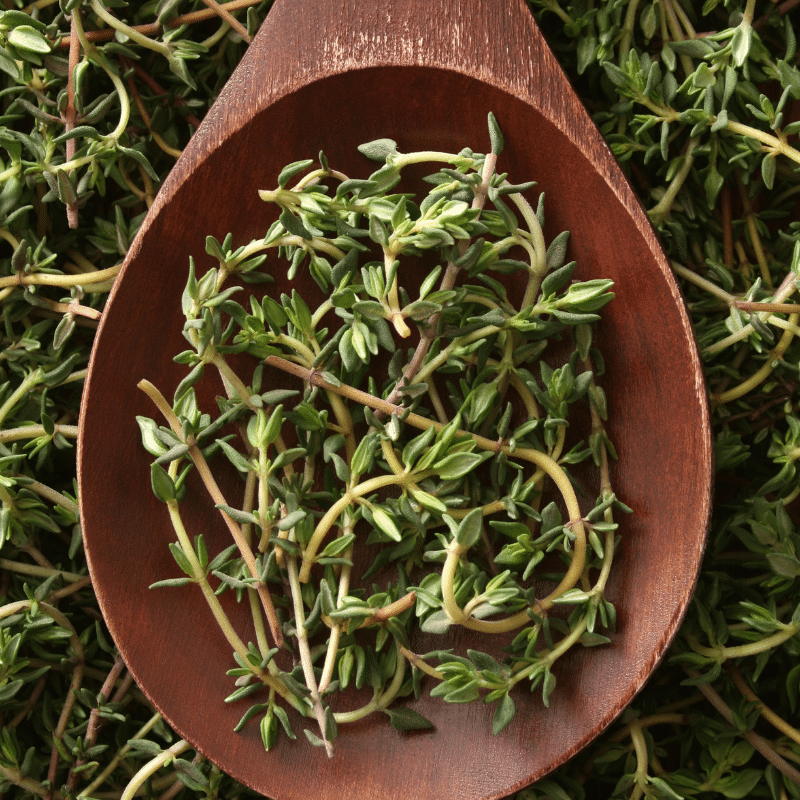
Flavor: Sweet, mildly pungent
Cooking Tip: Great paired when cooked with parsley and bay. It can be added at the beginning. If using stems prepare for stronger flavor but remove before serving
Pair With: Broths, soups and stews, flatbreads, meat, poultry, potatoes, stuffing, marinades, cherries, figs, grapes, honeydew melon, peaches, pears
Keep in mind fresh herbs take roughly 45 minutes longer to get flavor from than dried herbs. When adding herbs at the beginning, you will get a subtler flavor, while adding them at the end will give you a stronger flavor. Allow time for your desired flavor while cooking.
For a great selection of organically grown herbs, visit any English Gardens location.