For 72 years, we’ve been growing alongside Metro Detroit. Now, we’re excited to share what’s next.
If you’ve visited En…
Planting bulbs in the fall is one of the easiest ways to bring plenty of color to your garden next spring. With a little planning now, you can enjoy tulips, daffodils, hyacinths and other beautiful blooms throughout the season.
From choosing healthy bulbs to protecting them from hungry squirrels, use these tips to give your bulbs the best possible start.
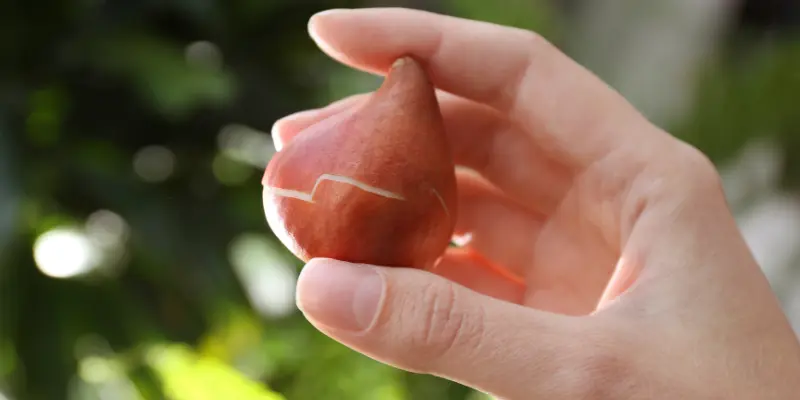
When shopping for bulbs, look for ones that feel firm and healthy. Avoid bulbs that are soft, squishy or showing signs of rot. A healthy bulb stores the energy it needs to grow, so choosing good-quality bulbs is an important first step toward a successful spring display.
Most spring-blooming bulbs grow best in full sun, although some varieties can handle part sun. Check the specific light requirements for the bulbs you select before deciding where to plant them.
Good drainage is just as important as sunlight. Bulbs do not like sitting in wet, poorly drained soil, which can cause them to rot. The soil should also be loose rather than heavily compacted. If needed, mix in compost or peat moss to help improve the soil before planting.
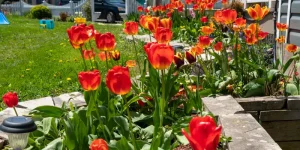
Fall bulbs should be planted once the soil temperature drops below 55 degrees Fahrenheit. In Michigan, this is typically sometime between September and November. You may even be able to plant into December if the ground has not frozen and the soil is still workable.
There is no need to rush as soon as bulbs arrive in stores. Waiting for cooler soil helps keep them from beginning to grow too early.
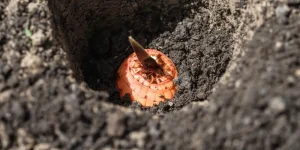
A good rule is to plant a bulb two to three times as deep as the bulb is tall. For example, a tulip bulb that is about 2 inches tall should be planted approximately 6 inches deep.
Add Bulb-tone or bone meal to the bottom of the planting hole according to the product directions, then place the bulb in the hole. Plant it with the pointed end facing up whenever you can identify it. If you are unsure which side is up, plant the bulb sideways. The new growth will still find its way toward the surface.
Once the bulbs are covered with soil, water the area well. This settles the soil around the bulbs and encourages root development before winter.
Different bulbs bloom at different points in the spring, so pay attention to each variety’s bloom window. Combining early-, mid- and late-spring bloomers can give you a longer season of color.
Bulbs also make a stronger impact when planted in groups. A single bulb here and there may look sparse, while several bulbs planted together create the look of a full floral bouquet.
You can also layer different types of bulbs in the same planting hole, with a small amount of soil separating each layer. This works especially well with bulbs that bloom at different times. As the first group finishes flowering, the next can begin to emerge and bloom.

Squirrels and chipmunks may dig in freshly disturbed soil and uncover newly planted bulbs. A few simple precautions can help protect your planting:
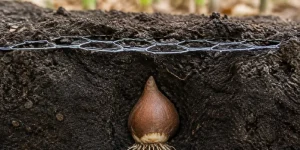
When your bulbs bloom, feel free to cut some flowers to enjoy indoors in a vase. After the remaining flowers fade, remove the spent blooms. This keeps the plant from putting energy into seed production and allows it to direct more energy back into the bulb for next year’s flowers.
Leave the foliage in place until it begins to turn yellow. As long as the leaves are green, they are collecting sunlight and helping recharge the bulb for the following spring. It may be tempting to cut them back sooner, but waiting will help support stronger future blooms.
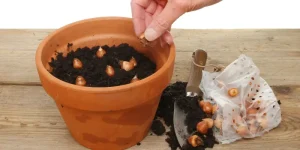
Bulbs can also create a beautiful spring display in containers. Follow the same basic planting steps, but use a quality potting mix instead of heavy garden soil. Make sure the container has drainage holes, and water as needed so the soil remains moist but never constantly wet.
The bulbs need a cold period during the winter, but the container should not freeze solid. Move it into a cold, unheated garage or shed for the winter. Bring it back outside in early March and place it in a sunny location. As temperatures warm, sprouts will begin to appear, followed by spring flowers.
Whether you plant a few containers or fill an entire garden bed, a little work in the fall can lead to a colorful spring. Choose healthy bulbs, give them the right conditions and let nature take care of the rest.