For 72 years, we’ve been growing alongside Metro Detroit. Now, we’re excited to share what’s next.
If you’ve visited En…
English Gardens is often asked about native plants. What exactly is a native plant, how did it become one and do we sell them? Our experts are here to give us the answers!
What is a native plant?
Native plants are plants that have grown in an area for a very long time, which has allowed the ecosystem to reach equilibrium with them. This means that a native plant provides food to insects and wildlife (which have also lived and evolved alongside the native varieties).
Native plants typically cope well right where they’re growing. They’re proven to survive in an area where some newer species and cultivars may not be able to survive extremes, such as seasonal drought and frigid winters. This is not to say other plants that are not native won’t work; many, many do!
Native plants aren’t always the showiest plants, but they provide crucial resources to wildlife that showier plants cannot (which may be bred to be sterile, meaning they don’t produce seed or pollen).
Benefits of native plants
Including native plants in your landscape is an option that’s beneficial for yourself, your garden and the insects and wildlife that live amongst us.
English Gardens carries the following native plants at our stores:
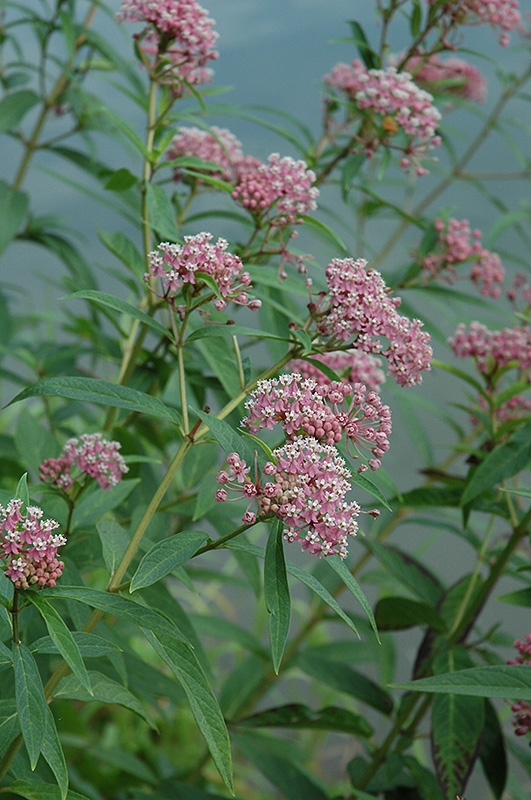
Swamp Milkweed
Sun Exposure: Full Sun to Part Sun
Bloom Time: Mid Summer to Early Fall
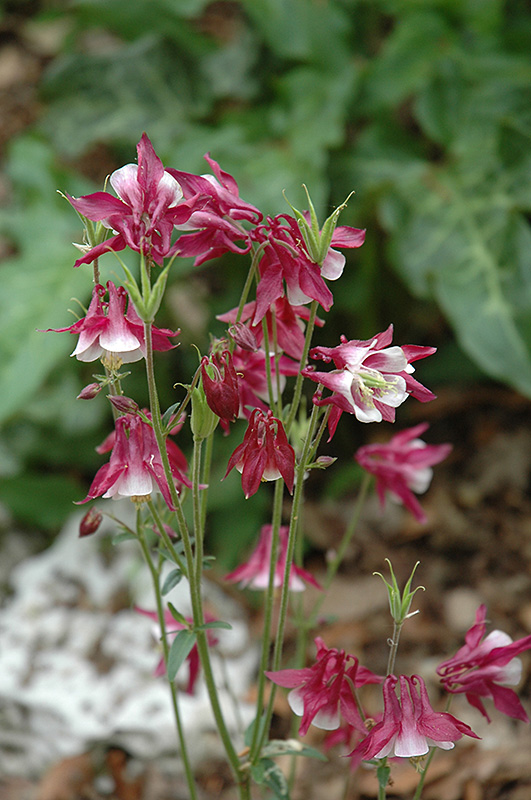
 Columbine
Sun Exposure: Full Sun to Full Shade
Bloom Time: Early to Mid Summer
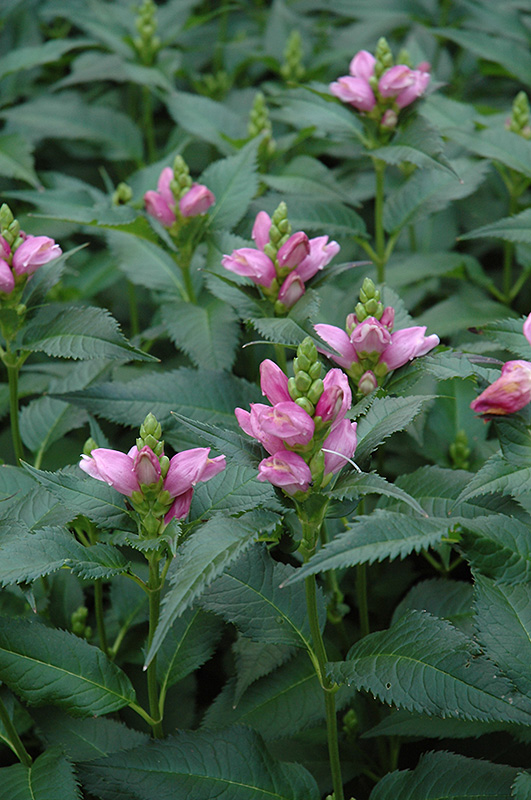
Turtlehead
Sun Exposure: Full Sun to Part Shade
Bloom Time: Late Summer to Mid Fall
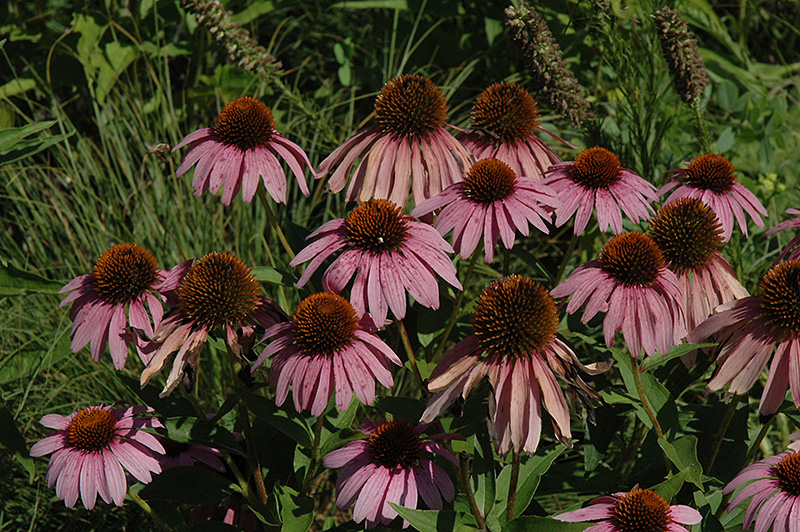
Coneflower
Sun Exposure: Full Sun
Bloom Time: Mid Summer to Early Fall
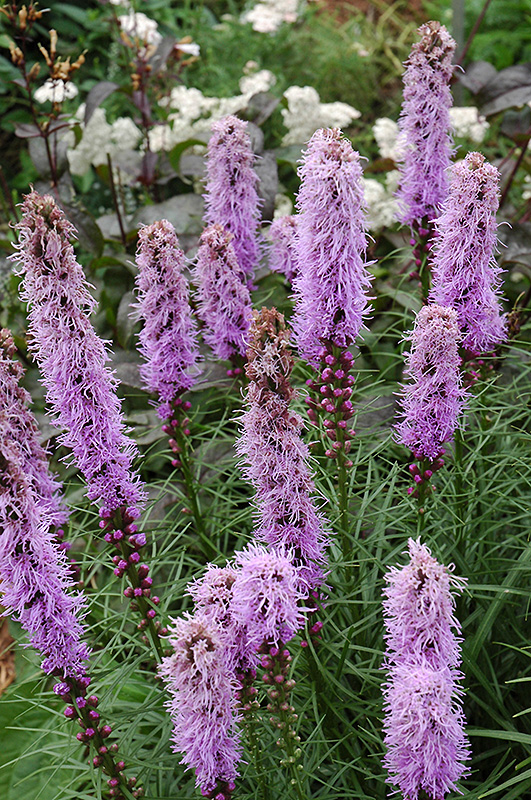
Liatris spicata
Sun Exposure: Full Sun
Bloom Time: Mid Summer to Early Fall
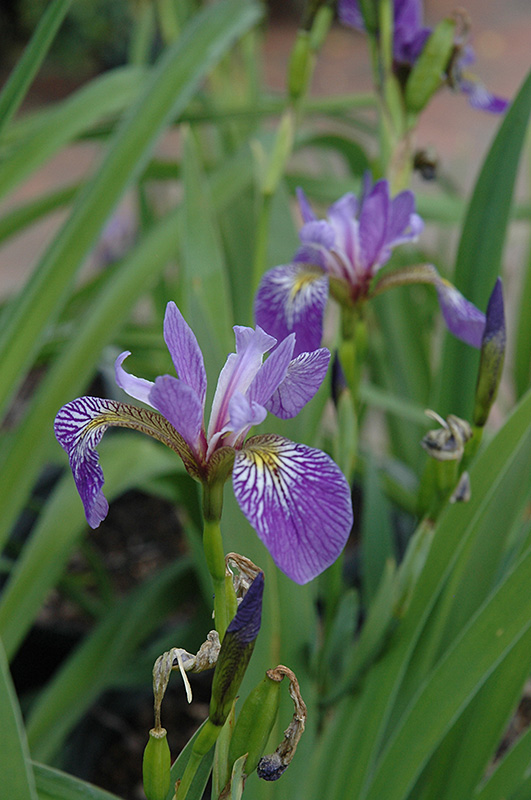
Water Iris
Sun Exposure: Full Sun to Part Sun
Bloom Time: Mid Spring
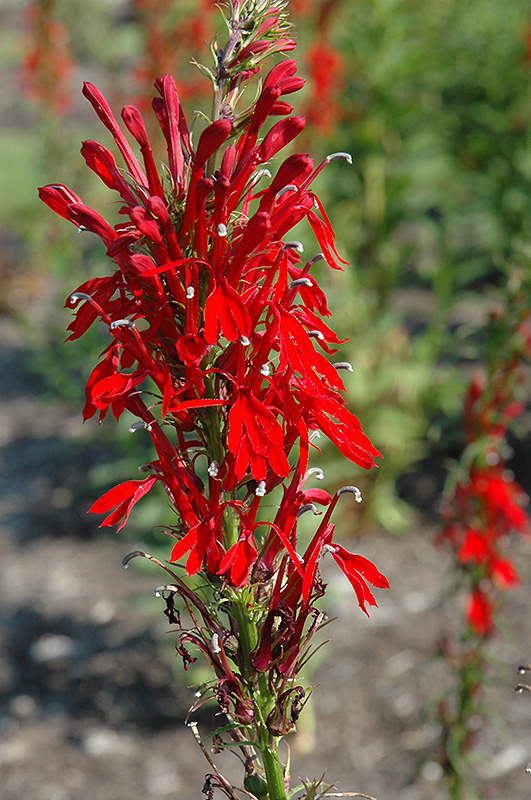
 Cardinal Flower
Sun Exposure: Part Sun
Bloom Time: Mid Summer to Early Fall
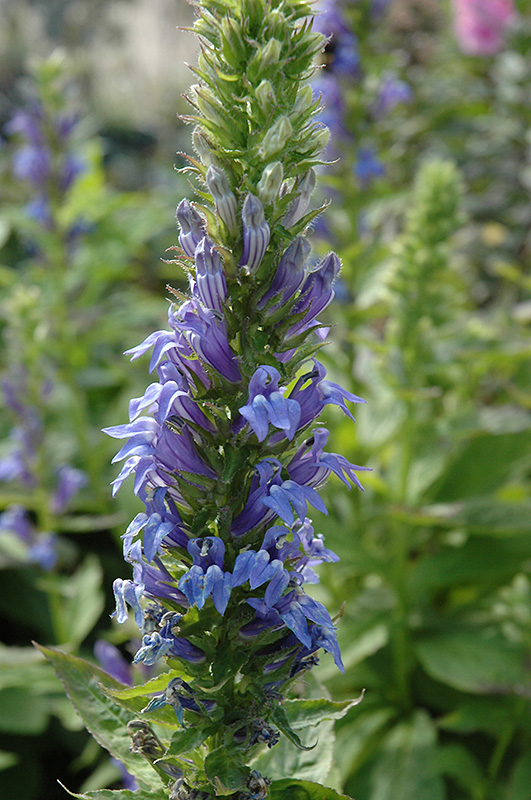
Blue Lobelia
Sun Exposure: Part Sun
Bloom Time: Early to Mid Summer
Bee Balm
Sun Exposure: Full Sun to Part Sun
Bloom Time: Mid Summer to Early Fall
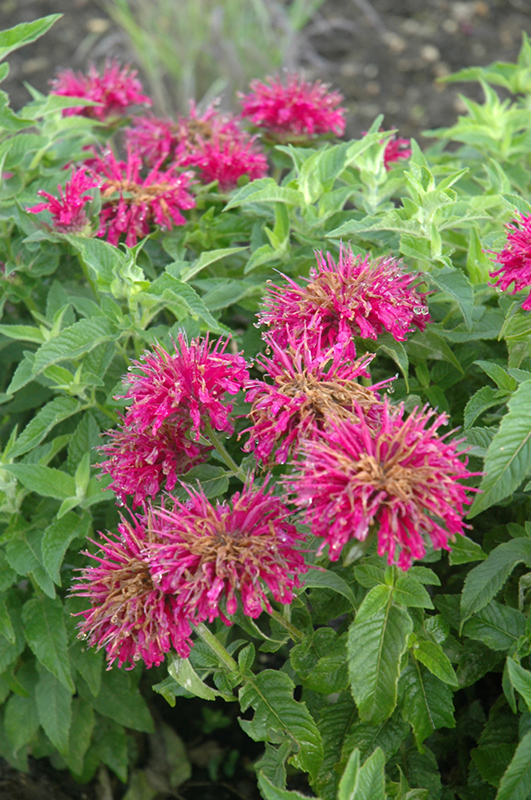 Beard’s Tongue
Sun Exposure: Full Sun to Part Sun
Bloom Time: Early to Late Summer
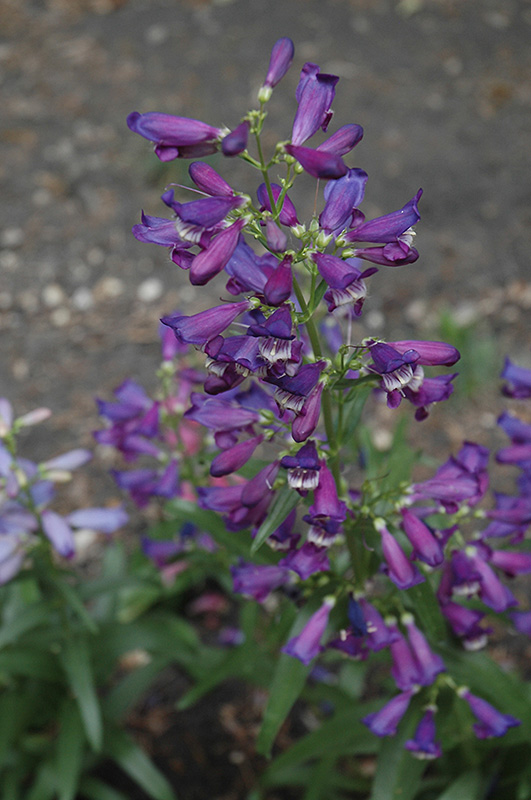
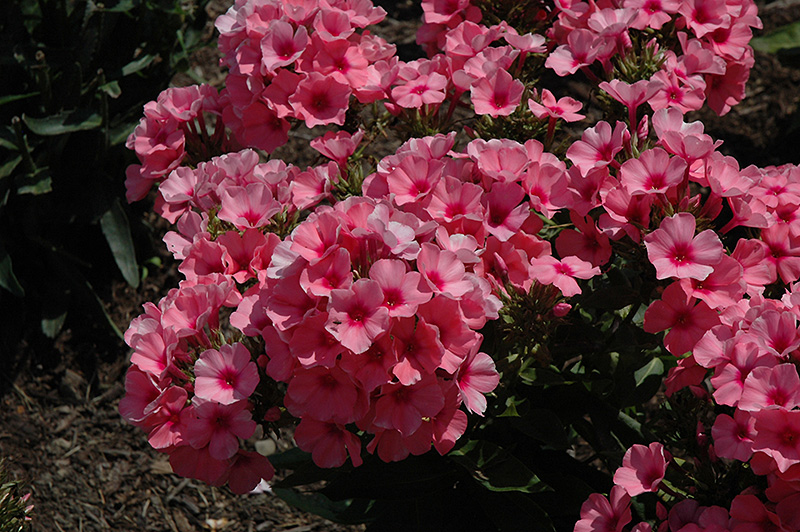
Tall Phlox, paniculata
Sun Exposure: Part Shade to Shade
Bloom Time: Mid to Late Spring
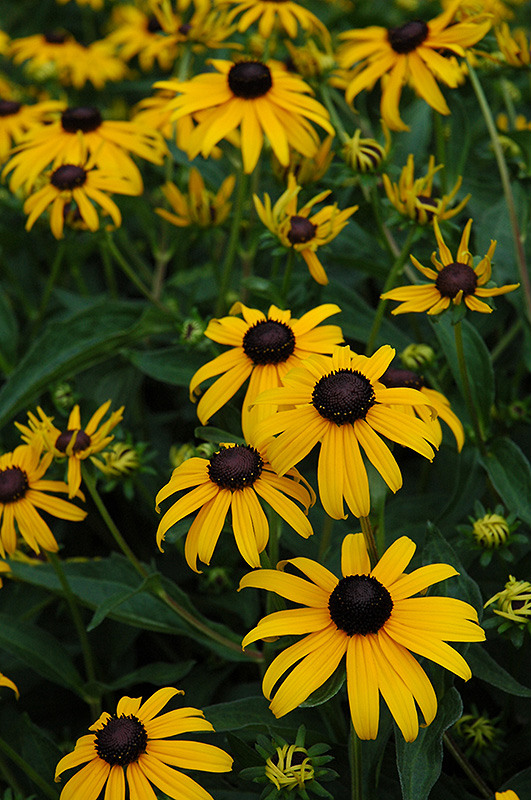
Black Eyed Susan
Sun Exposure: Part Sun to Full Sun
Bloom Time: Summer to Fall